

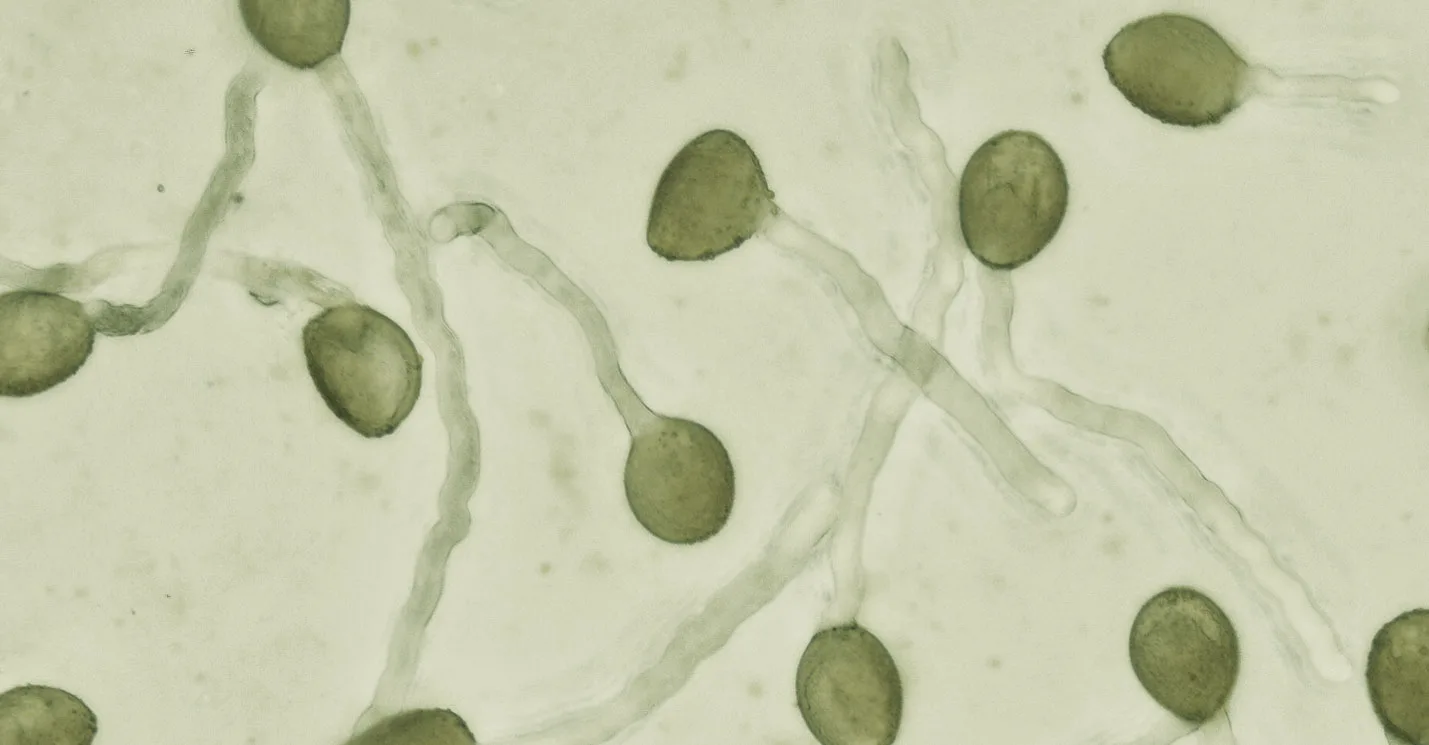
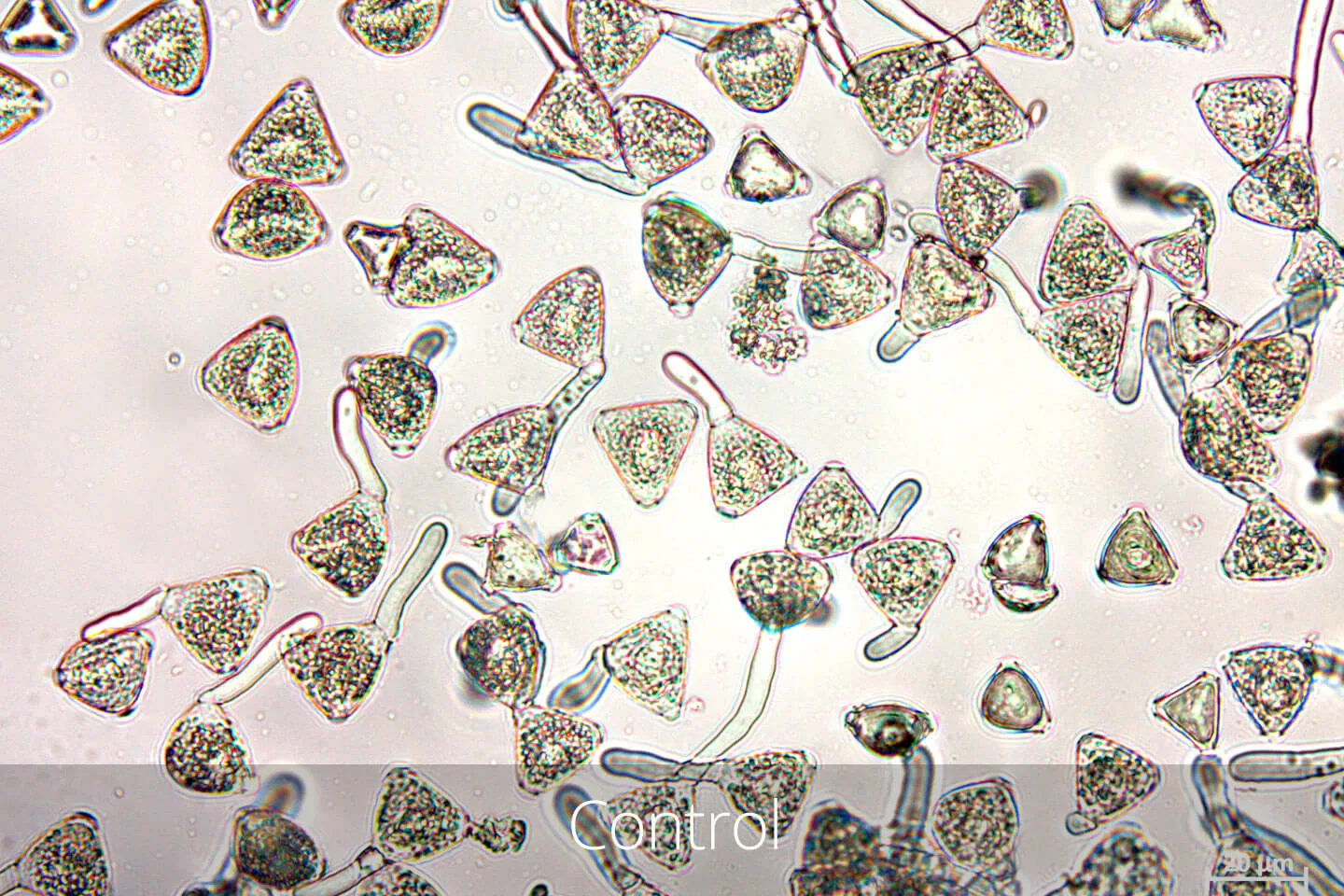
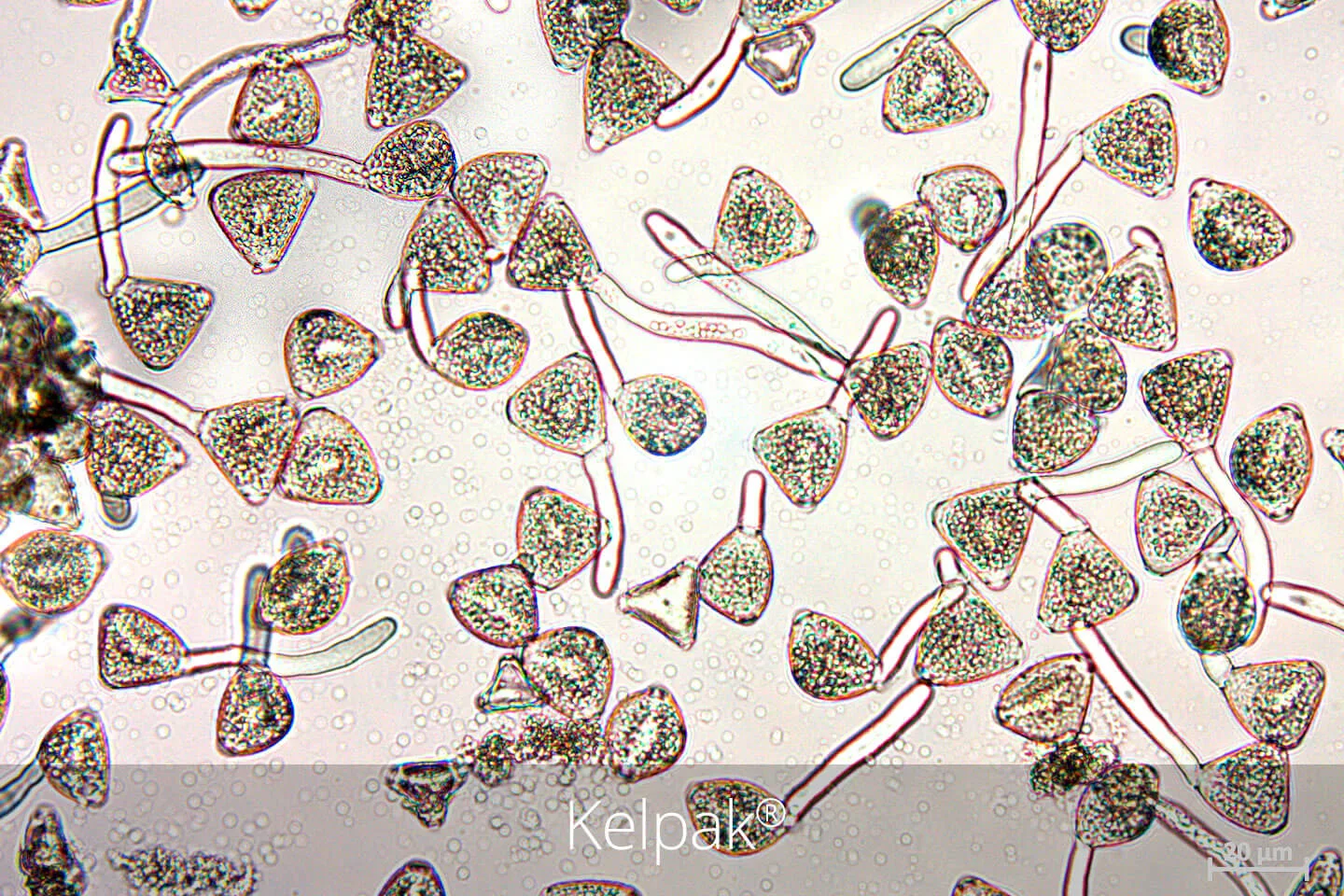
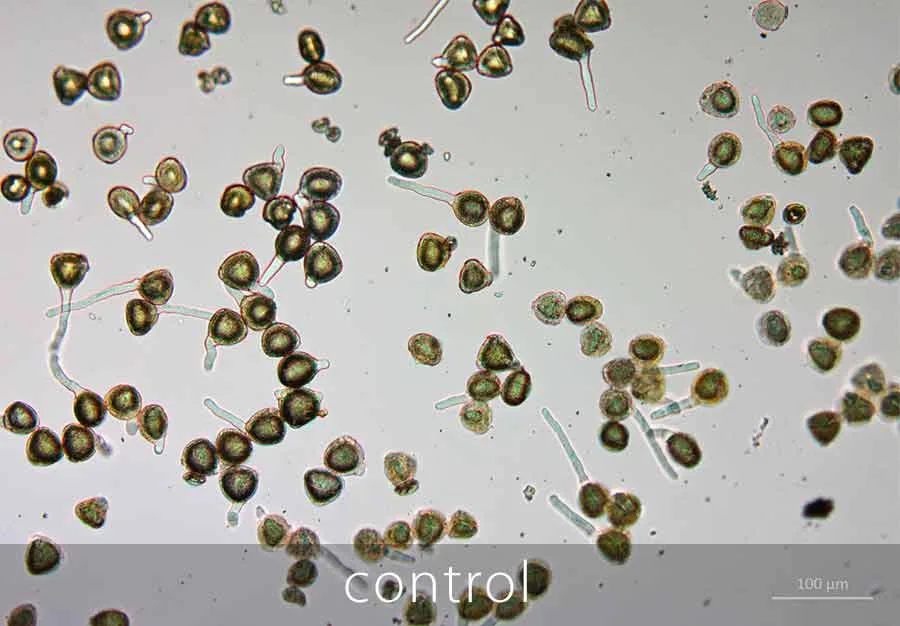
In ongoing lab trials viable pollen grains are collected from recently opened flowers, treated on microscope slides and the germination and growth studied after a set period of time. With the addition of Kelpak to the growth medium, pollen tubes consistently show significantly more growth compared to the control.
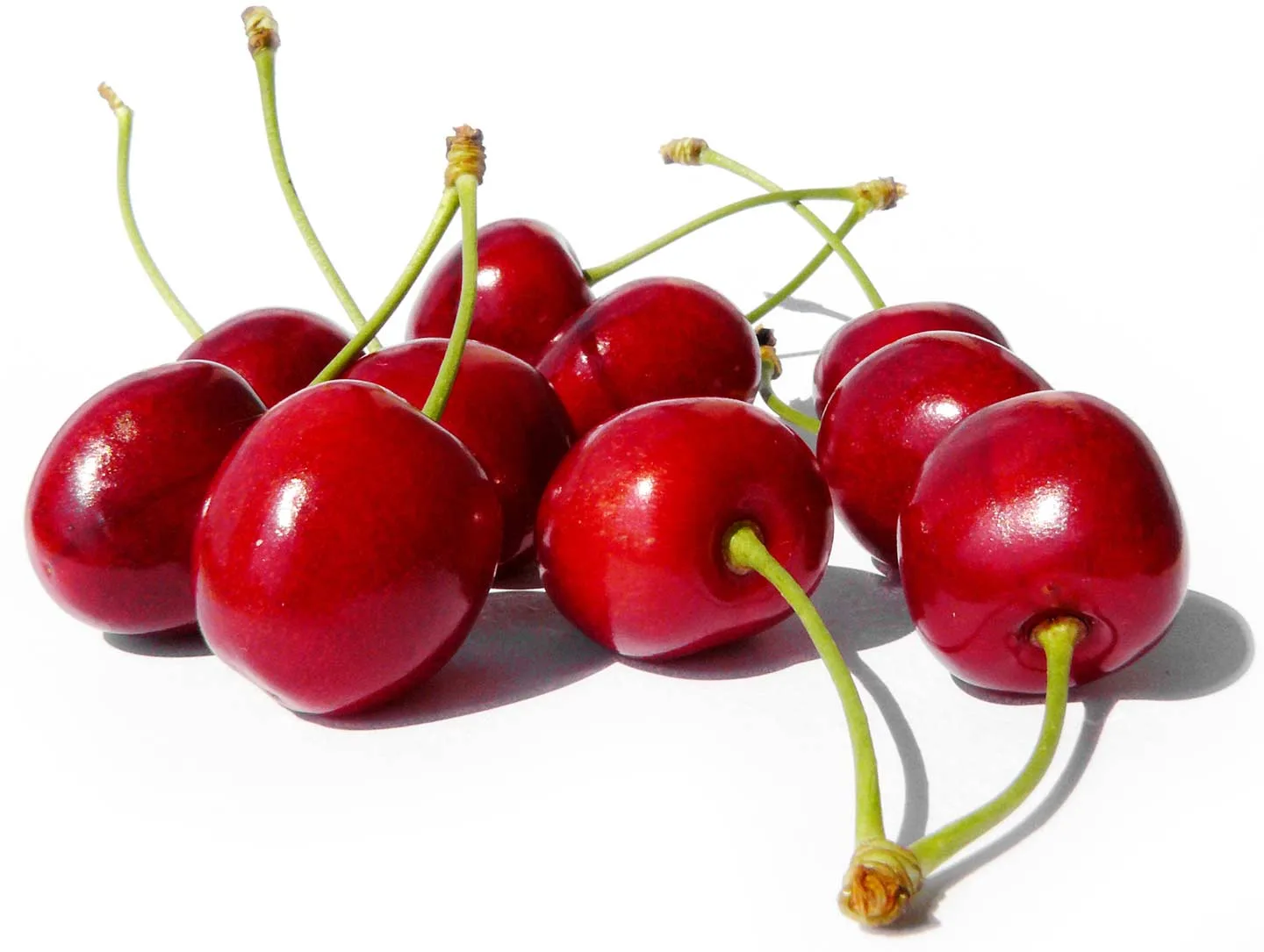
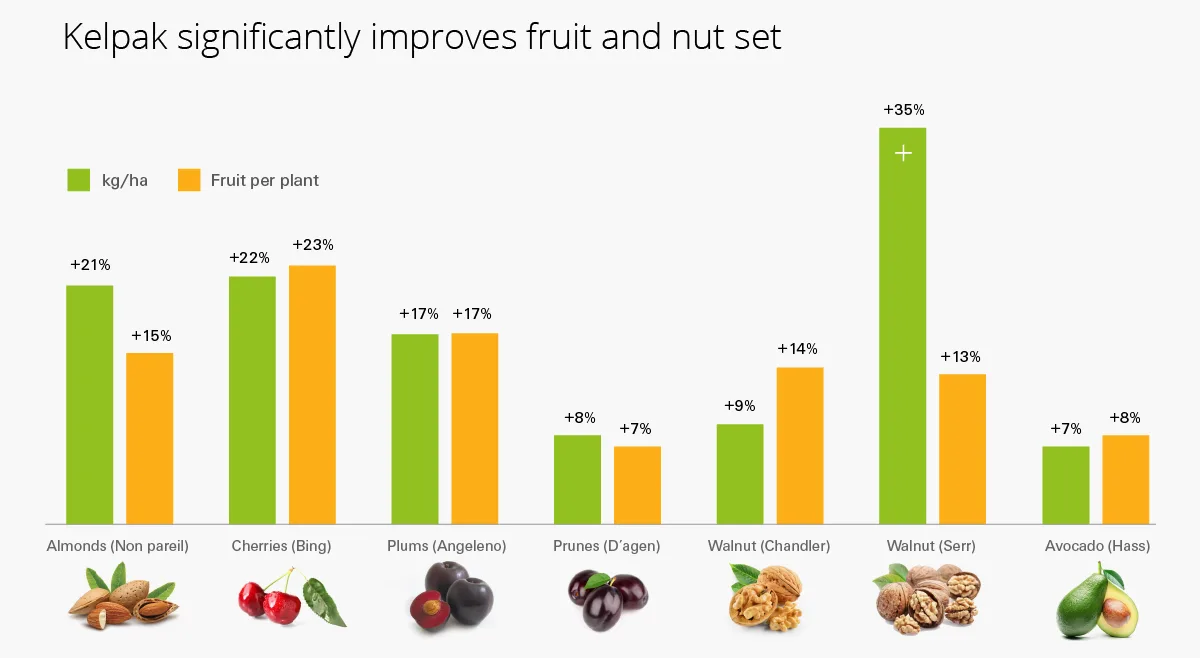
Field trials on almonds, cherries, kiwi fruit and macadamia nuts, conducted in Australia, California, Chile, and South Africa, demonstrate improved fruit set and fruit retention at harvest, as well as a number of beneficial responses:
- Improved rooting of nursery trees
- Delayed blossom senescence during flowering
- Increased pollen germination and pollen tube elongation
- Better fruit set and retention
- Increased weight and yields
- Kelpak applicaton significantly improves pollen germination and development
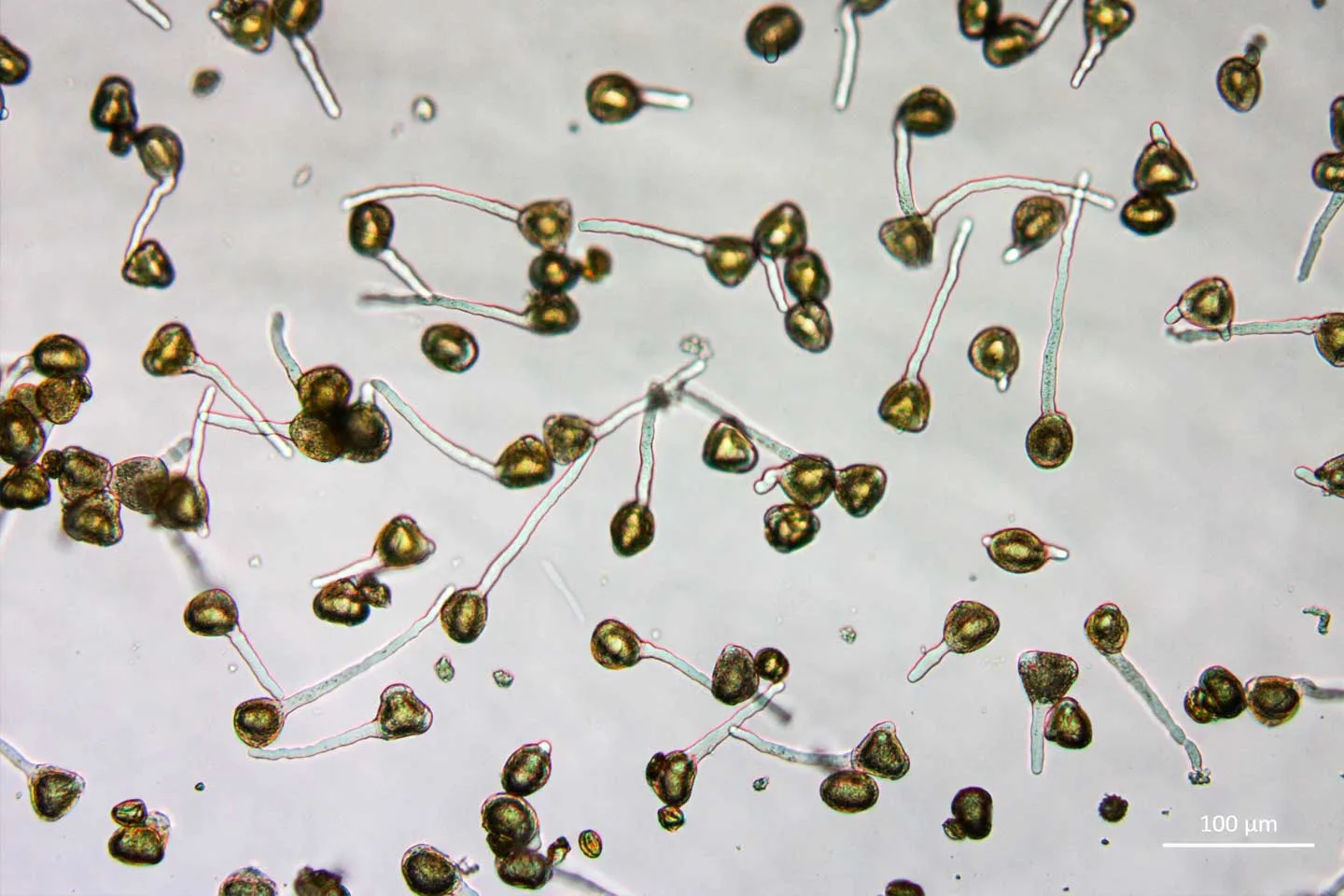
Kelpak applicaton significantly improves pollen germination and development
The method
Studies are routinely conducted by introducing pollen grains into standardised liquid medium commonly used in scientific pollen growth studies. Using an in vitro system, pollen growth characteristics such as pollen germination and pollen tube elongation can be examined using a compound microscope.
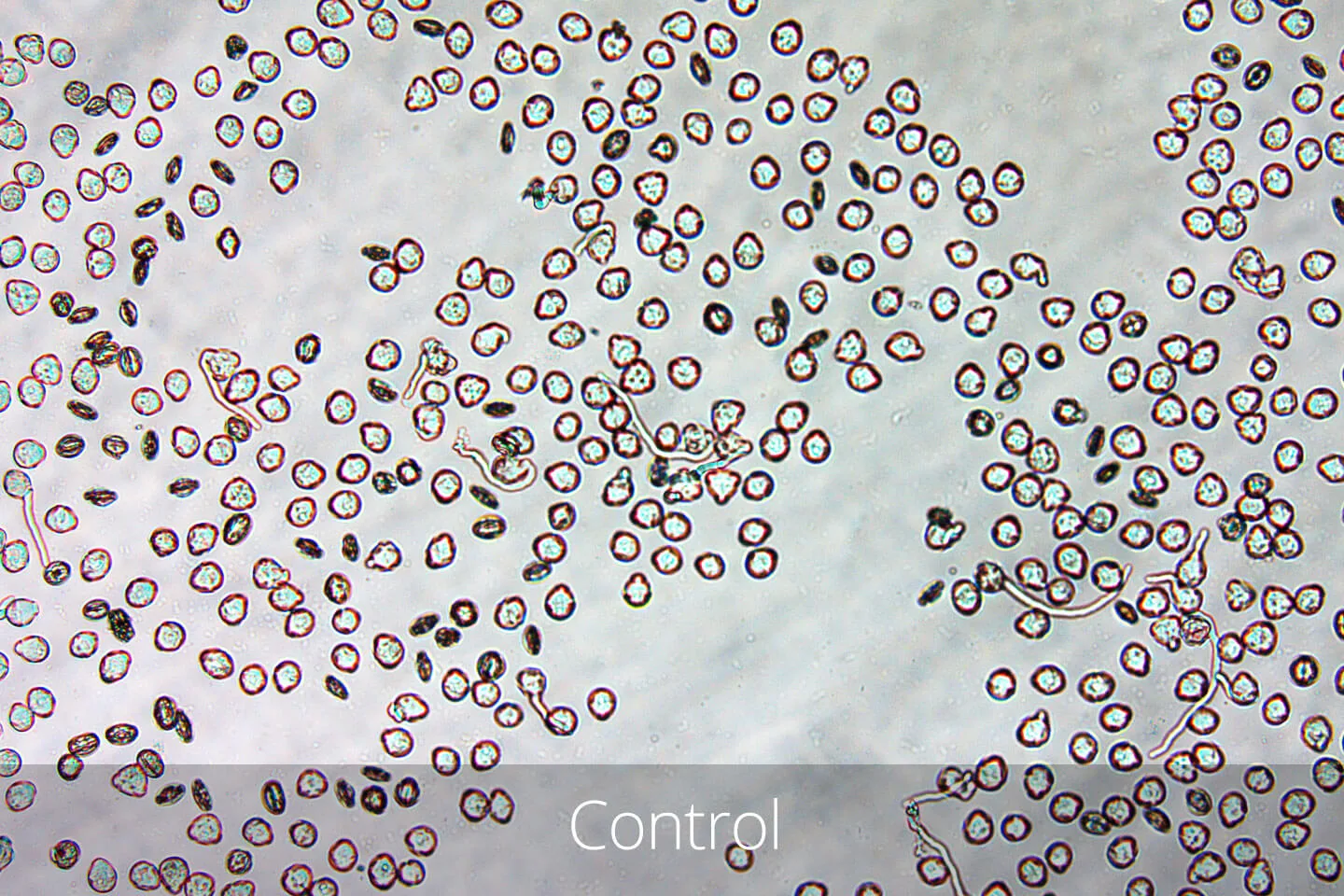
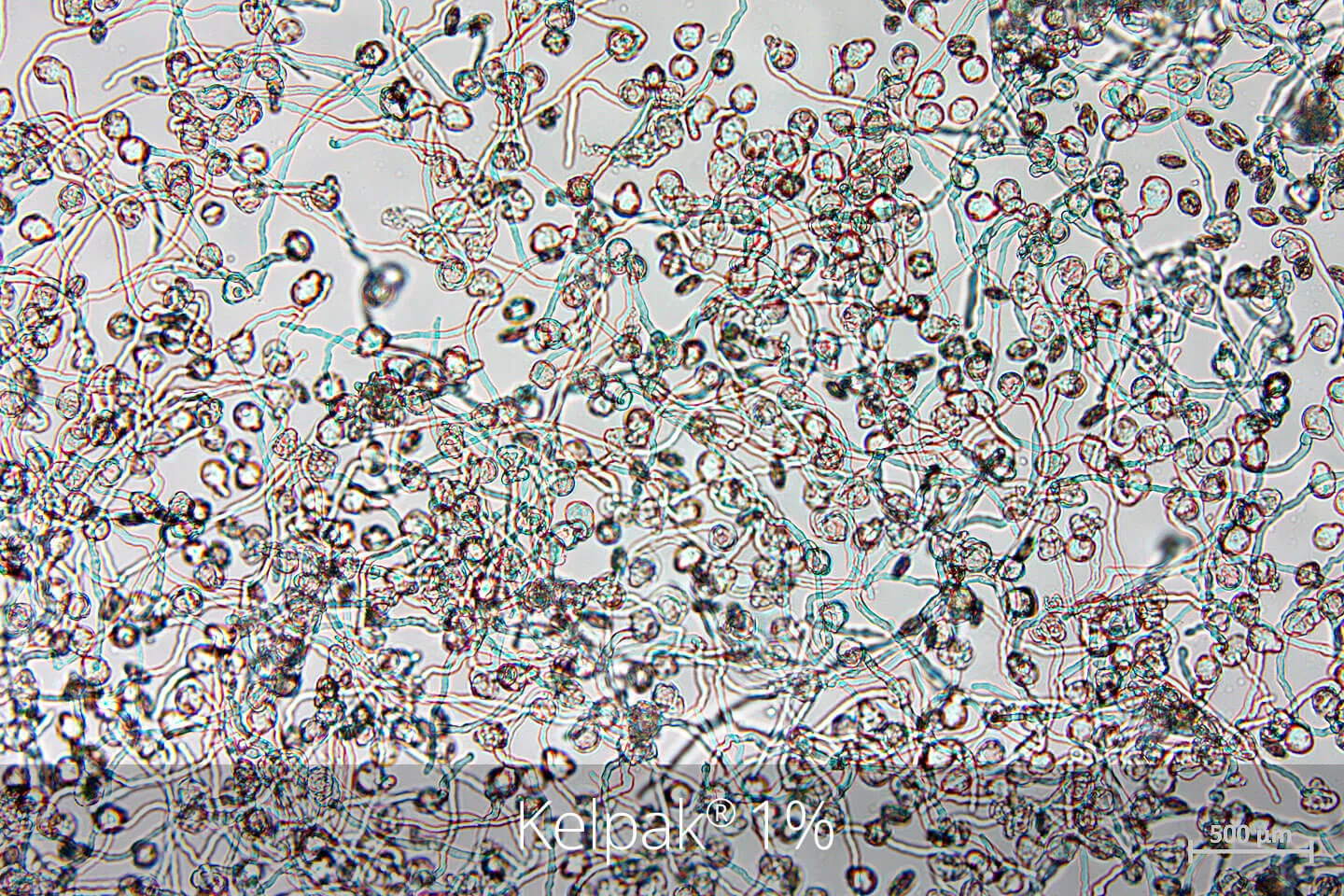
The results on Kiwi Fruit
Control:
Kelpak applied at 1%:
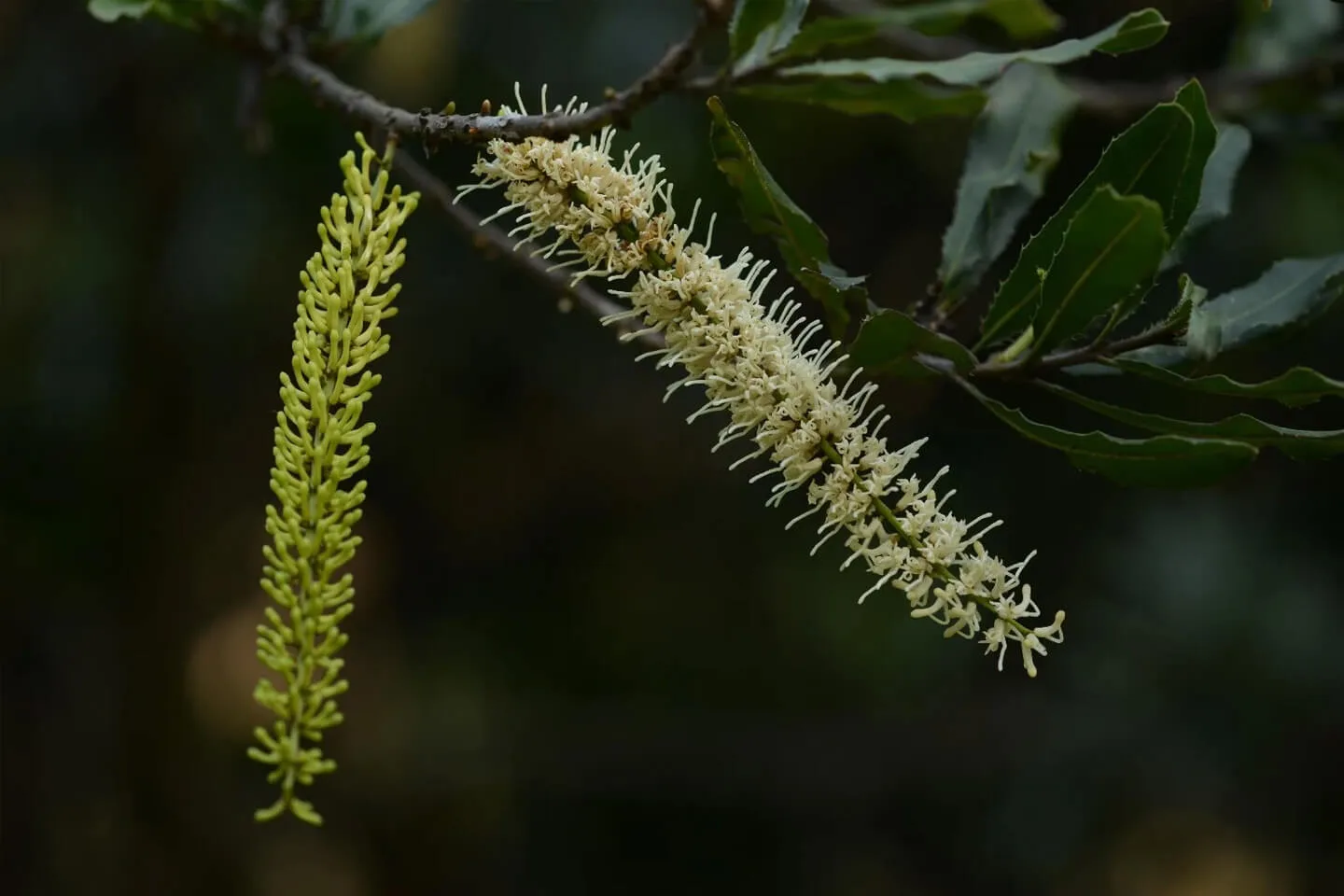
The results on Macadamia Nuts
Macadamia pollen control:
Macadamia pollen with Kelpak:
Macadamia yield | Limpopo, SA 2019
Trial on an underperforming orchard (off-year effect).
Macadamia yield | Limpopo, SA 2019
0 kg/ha - 3,114 kg/ha
- 954Control
- 1,870Kelpak 3 × 0.3%
- 2,595Kelpak 5 × 0.2%
| Category | Macadamia yield | Limpopo, SA 2019 |
|---|---|
| Control | 954 kg/ha |
| Kelpak 3 × 0.3% | 1,870 kg/ha |
| Kelpak 5 × 0.2% | 2,595 kg/ha |
The results on Bing Cherries
Bing cherry pollen control:
Bing cherry pollen with Kelpak:
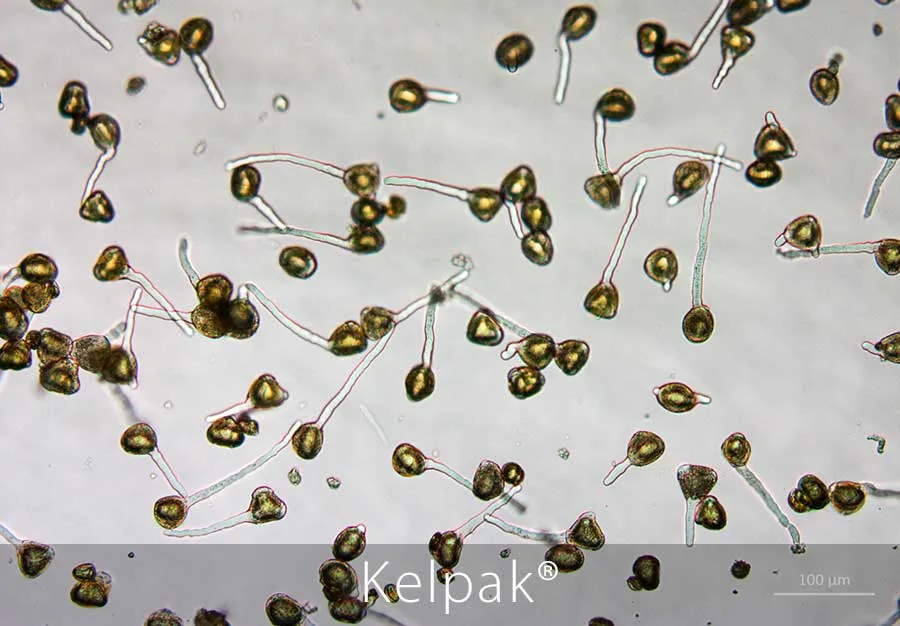
Kelpak on cherry pollen germination and pollen tube elongation:
Cherry pollen germination
P-value ≤ 0.001
Cherry pollen germination
0 % - 76.8 %
- 47 %± 1.6 bControl
- 64 %± 3.5 aKelpak
| Category | Cherry pollen germination |
|---|---|
| Control | 47 %± 1.6 b |
| Kelpak | 64 %± 3.5 a |
Cherry pollen tube length
P-value ≤ 0.001
Cherry pollen tube length
0 µm - 154.32 µm
- 71.3± 9.2 bControl
- 128.6± 9.2 aKelpak
| Category | Cherry pollen tube length |
|---|---|
| Control | 71.3 µm± 9.2 b |
| Kelpak | 128.6 µm± 9.2 a |
Statistical analysis is conducted using a one-way ANOVA. Means (± SE) significantly different from each other are indicated by different letters according to Duncan’s multiple range test P≤0.05 (n=6).
Kelpak on Cherry cv. ‘Bing’ yield when applied directly to the flowers :
Cherry yield
Cherry yield
0 t/ha - 26.52 t/ha
- Control: 7.6Kelpak 3 × applications: 11.3Kelpak 5 × applications: 12.3California 2004
- Control: 14Kelpak 3 × applications: 15.9Kelpak 5 × applications: 19.8California 2005 | first trial
- Control: 13.7Kelpak 3 × applications: 16.7Kelpak 5 × applications: 22.1California 2005 | second trial
| Category | Control | Kelpak 3 × applications | Kelpak 5 × applications |
|---|---|---|---|
| California 2004 | 7.6 t/ha | 11.3 t/ha | 12.3 t/ha |
| California 2005 | first trial | 14 t/ha | 15.9 t/ha | 19.8 t/ha |
| California 2005 | second trial | 13.7 t/ha | 16.7 t/ha | 22.1 t/ha |
Various independent scientific trials have been conducted on cherries in several countries including Chile, California, France and South Africa, all indicating significant benefits including increased fruit-set and quality. Application directly to cherry flowers now shows the important benefits of applying Kelpak during the early growth stages of cherry development ensuring improved pollen germination and fruit-set and ultimately a better crop for the user.