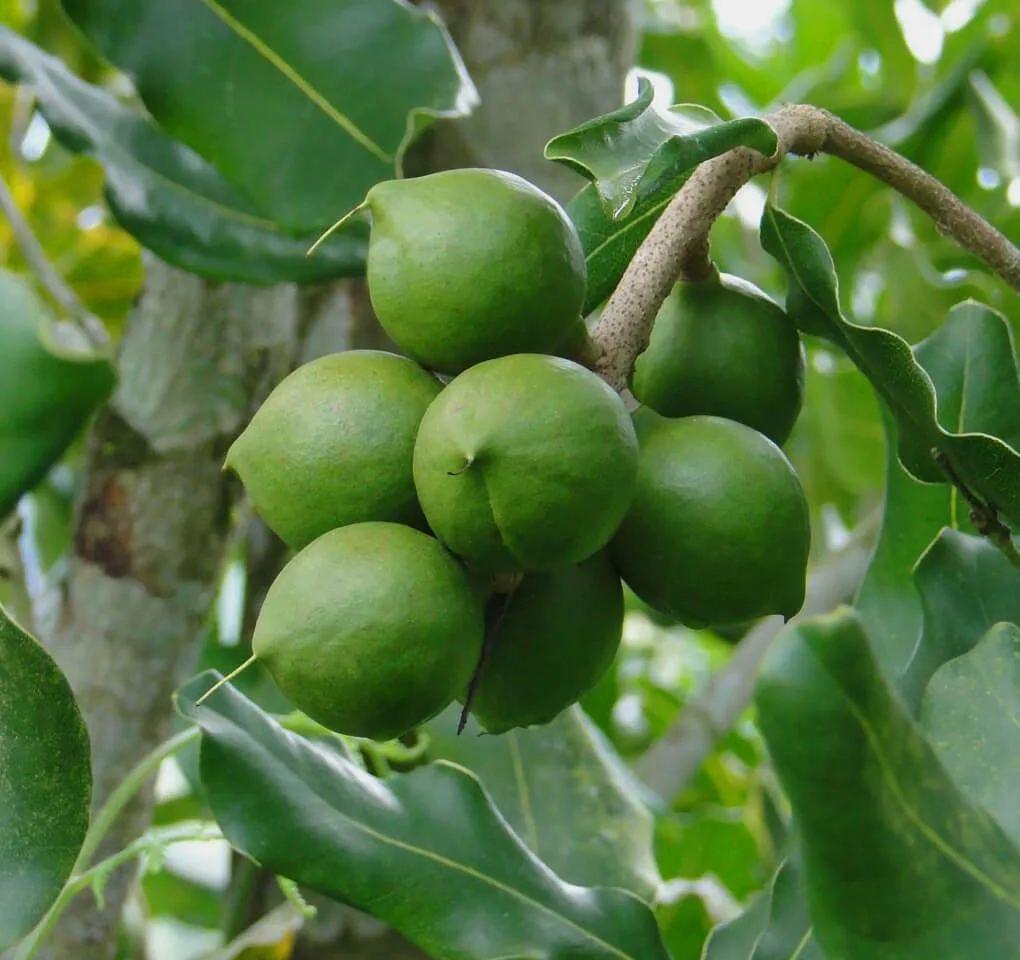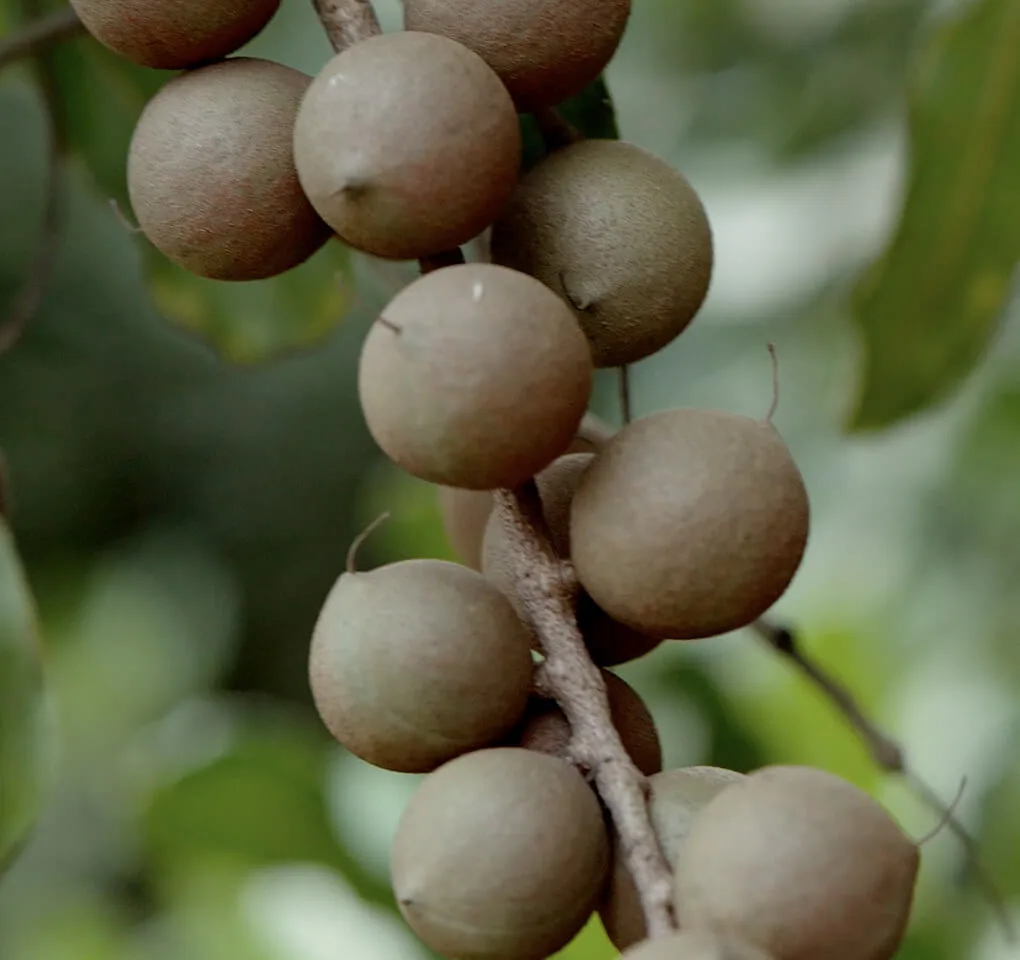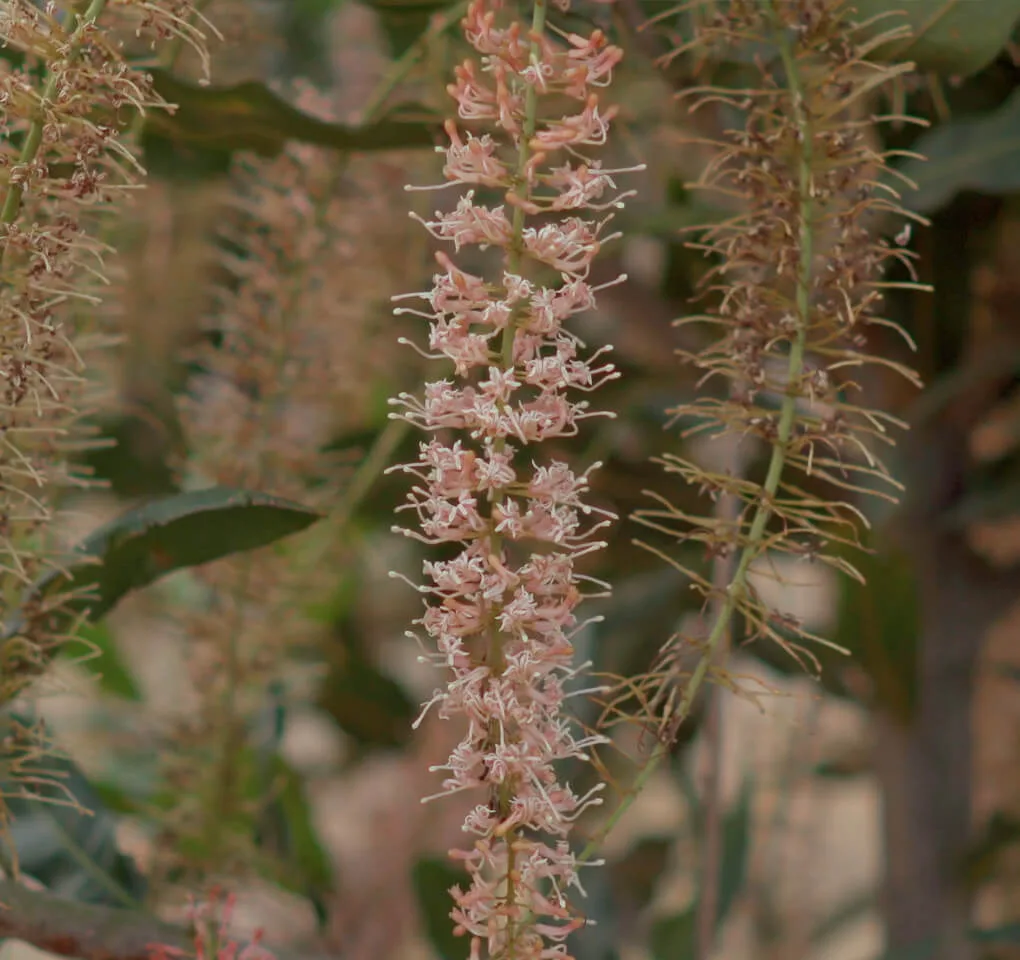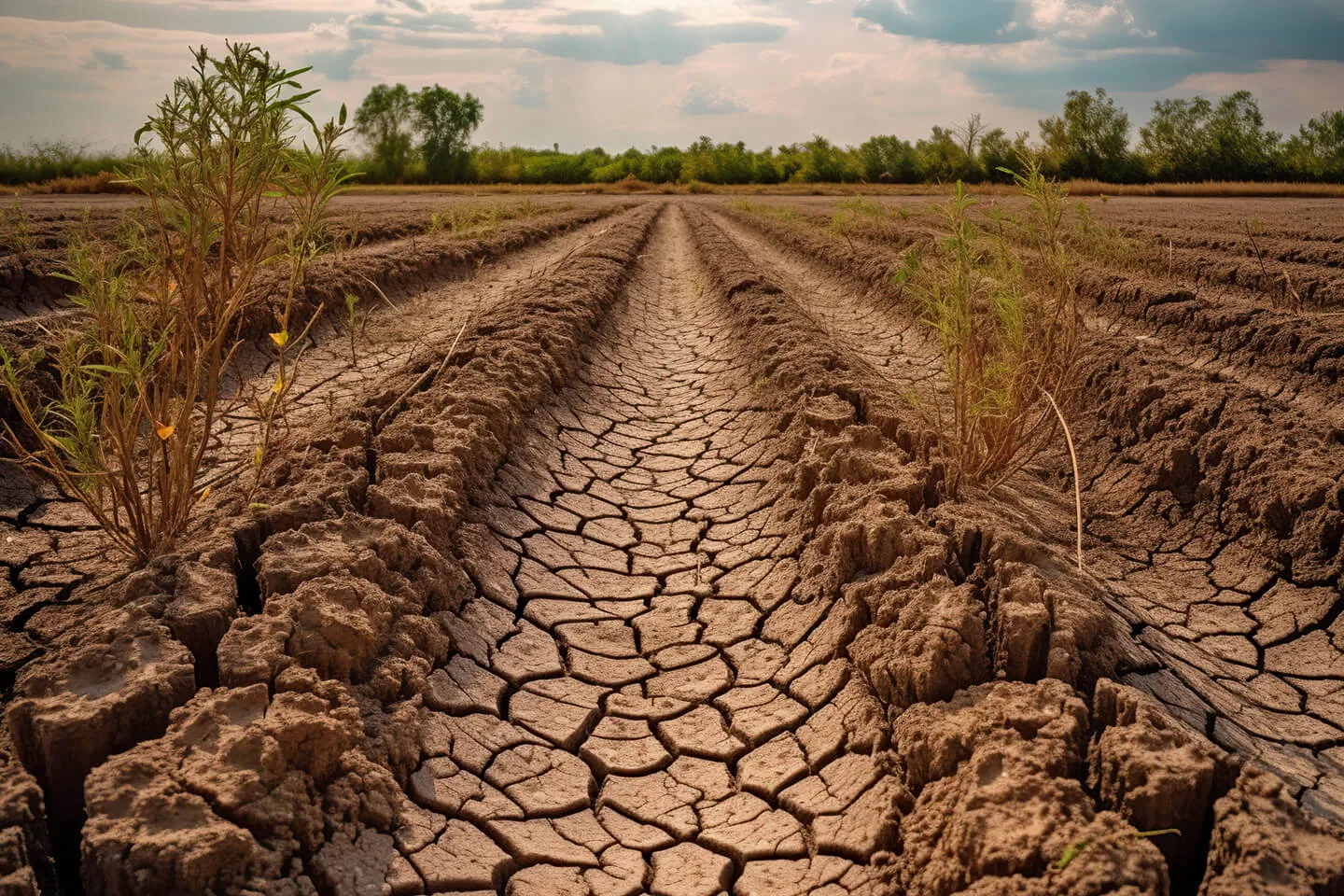


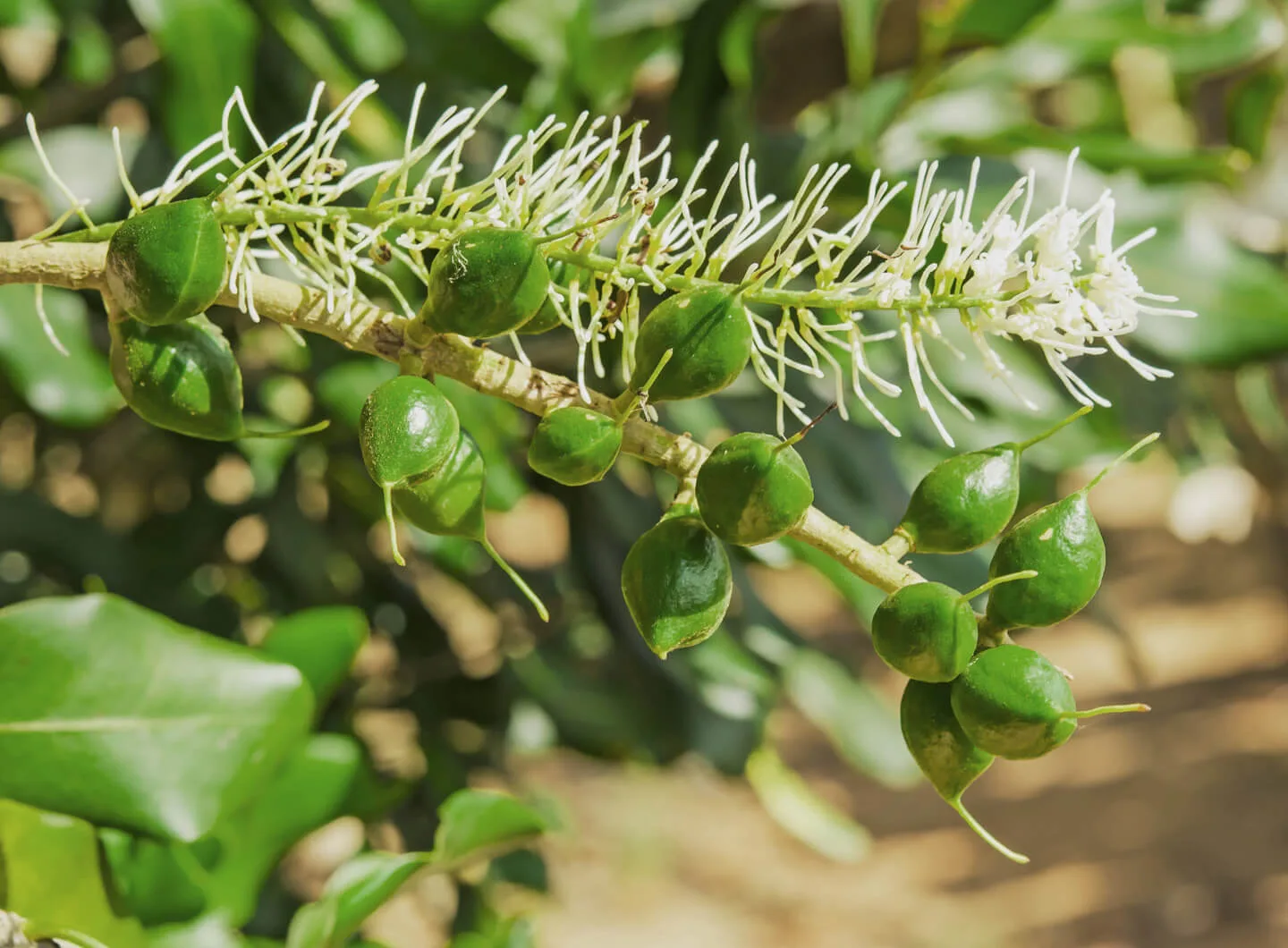
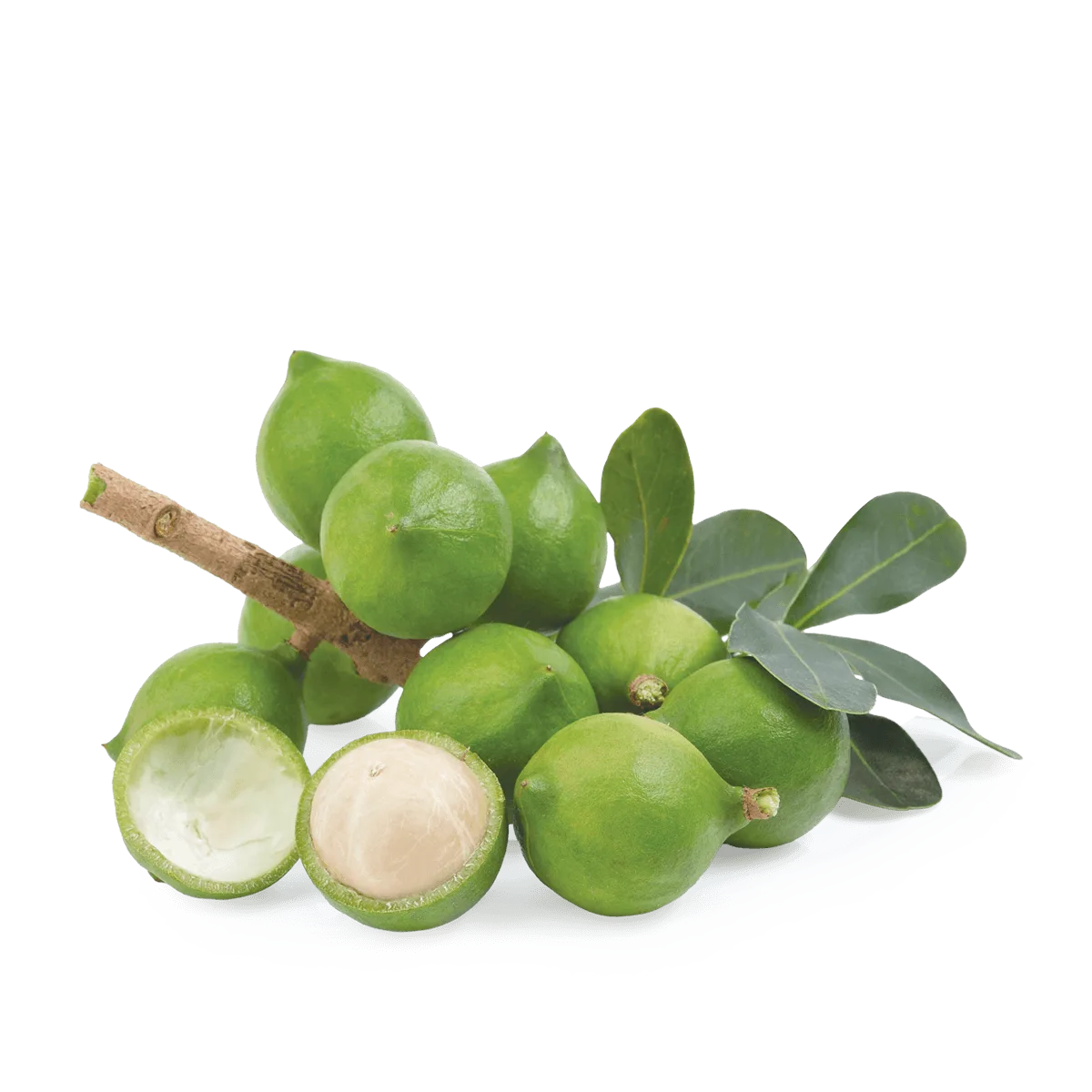
Macadamia yield is determined during key physiological stages. This includes root establishment, flowering, pollen tube growth, nut set and early nut development. Environmental stress during these stages, particularly heat and moisture fluctuations common in South Africa’s production regions, can significantly increase nut drop and reduce final yield.
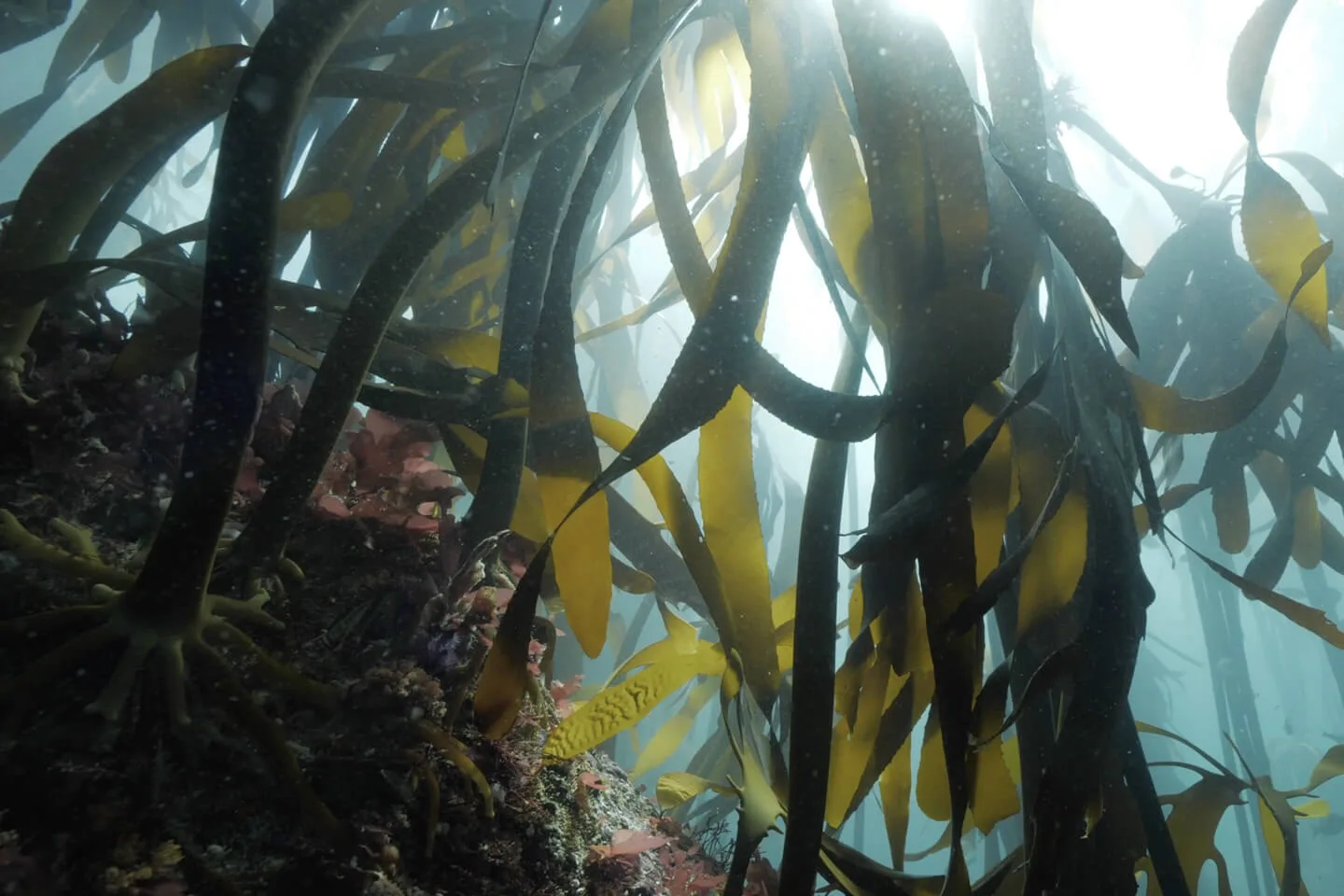
Kelpak, a seaweed biostimulant derived from Ecklonia maxima harvested on the West Coast, is manufactured using a cold Cellburst extraction method that preserves naturally occurring growth-promoting compounds. These compounds stimulate root initiation, enhance shoot development and improve overall tree vigour.
In macadamias, improved root architecture enhances nutrient and water uptake efficiency, supporting trees during critical reproductive stages. Kelpak has also been shown to improve nut set and reduce nut drop, partly through its influence on pollen tube development and early fruit retention.
% Yield increase on macadamia nuts
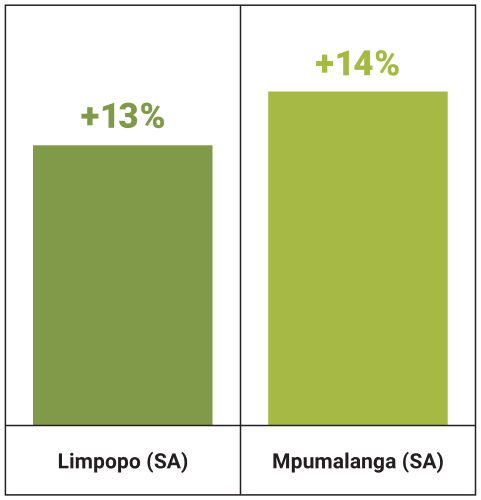
Kelpak’s three-year trial findings from White River (Mpumalanga) demonstrated reduced total nut drop and yield increases of up to 15%, while multiple trials across Limpopo and Mpumalanga showed yield increases ranging from 13% to 23% above untreated controls.
“Supporting the tree during early reproductive development is critical. By improving root growth and nut retention, Kelpak enhances the tree’s ability to translate flowering into harvestable yield.” Linda Greyling, Head of Technical Support
Recommended applications include treatments at tree establishment, 20% bloom, nut set, early nut development and shell hardening stages, forming part of a structured orchard management programme.
For South African farmers aiming to optimise yield consistency under variable climatic conditions, Kelpak provides a locally developed, trusted and research-backed biostimulant solution.