

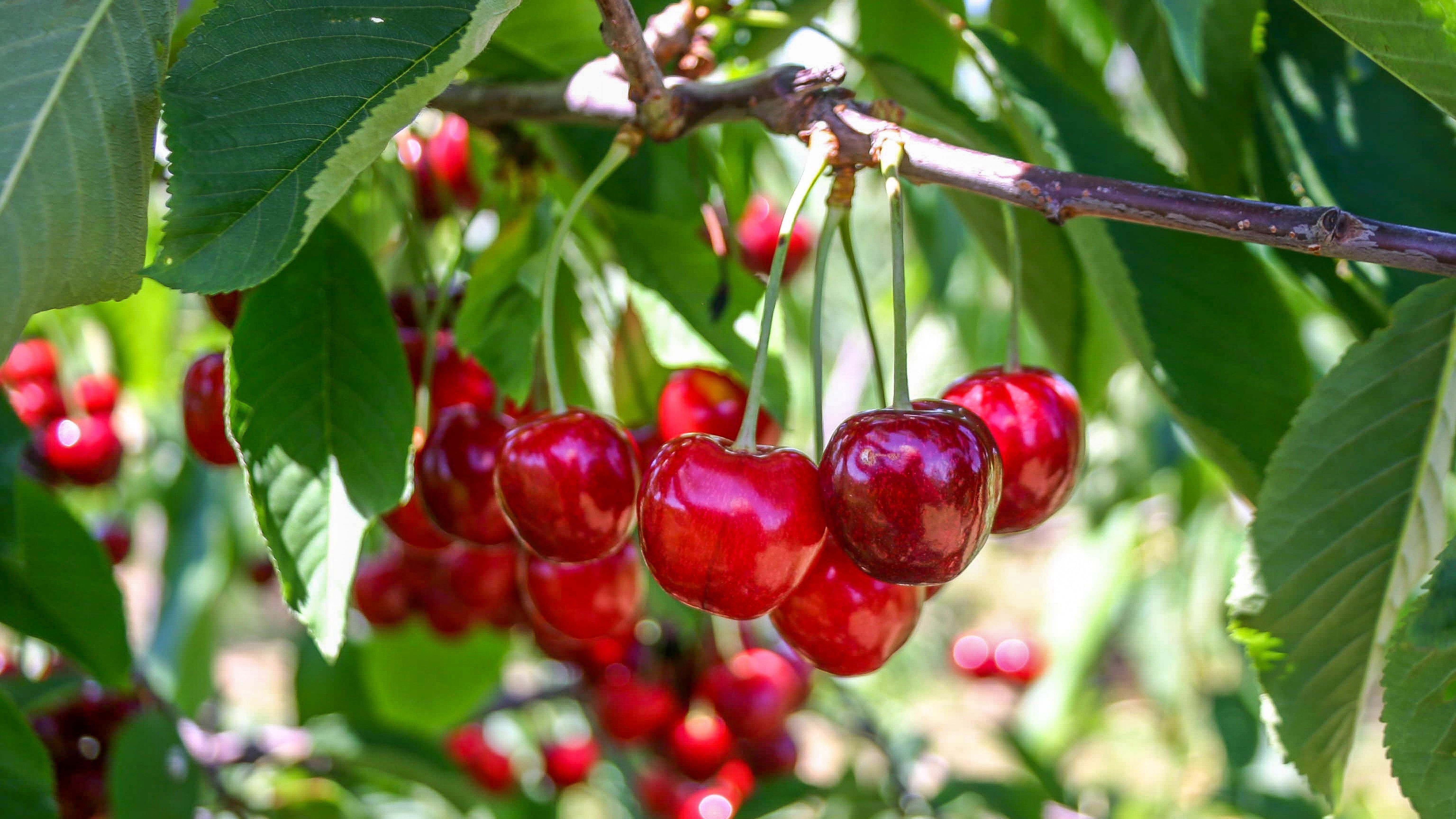
The final bins rolling out of the orchard bring a hard-earned sense of completion. The fruit is picked, packed, and shipped. But while the crew takes a breather, the orchard itself is already punching back in for next season.
The weeks immediately following harvest represent a critical management window where a tree either secures its future yield potential or falls behind before winter even sets in.
The hidden energy drain
Many farmers view the postharvest period as an afterthought, wrapping up the year with a standard, blanket fertilizer application. However, a heavy crop load takes a massive toll on an orchard's nutrient and moisture reserves.
If a canopy is allowed to shut down early due to moisture stress, disease, or nutrient depletion, the consequences won't be seen until next spring. In sweet cherries, early spring bud break, bloom, and initial fruit development rely entirely on nitrogen and carbohydrates stored in the roots and wood from the previous summer.
If you send trees into dormancy running on empty, you are capping next year’s fruit size and cluster density before the first green tip appears.
How to continue feeding the factory
The goal of a deliberate postharvest plan is to keep the green factory open.
Instead of a generic recipe, a successful recovery program focuses on the specific needs of each block, factoring in soil texture, rootstock vigor, and remaining season length. It balances three key pillars:
- Targeted nutrition: Using leaf and soil testing to replace exactly what the crop removed, without pushing unseasonable late-season vegetative growth.
- Strategic irrigation: Keeping roots actively functioning and avoiding water stress, without overwatering and choking the root zone.
- Canopy preservation: Defending leaf health against late-season pests and diseases to prolong the carbohydrate-building window.
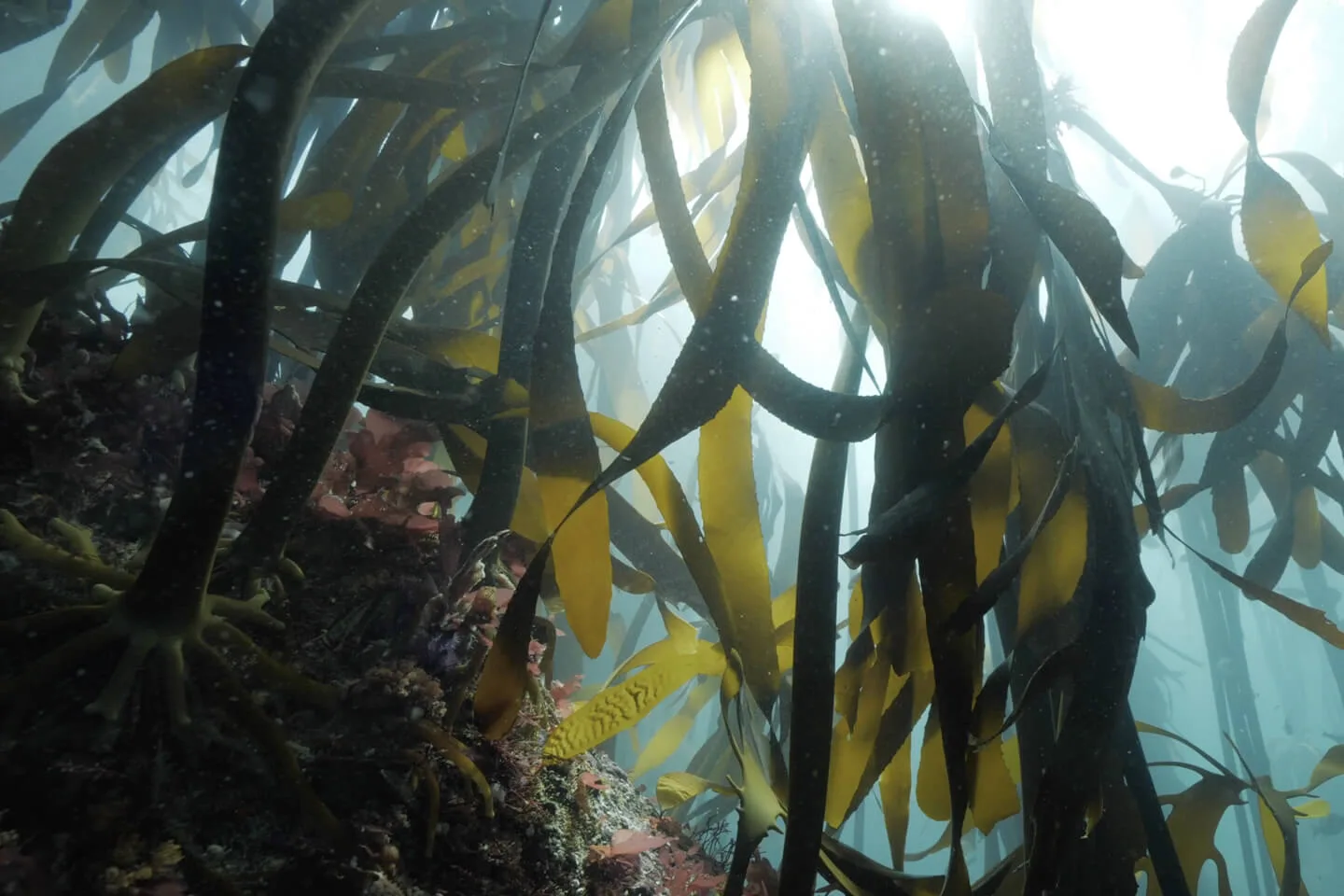
“A common mistake in orchard management is thinking liquid seaweed extract act as a replacement for standard fertilization,” says Linda Greyling, Head of Technical Support at Kelpak. “They don’t. Instead, their job is to maximize nutrient use efficiency. When stressful postharvest conditions or high crop loads threaten to sap a tree's energy, targeted Kelpak applications help keep the plant metabolically active so it can build up the critical root reserves required to jumpstart the next season's crop.” Kelpak is a seaweed-derived liquid seaweed extract harvested off southern Africa’s west coast.
To maximize this postharvest window, forward-thinking farmers are looking at ways to improve nutrient uptake and root longevity.
Multi-year university and independent field trials highlight how strategic postharvest inputs translate directly into box size and yield trends. In replicated trials evaluating Kelpak, researchers looked at how late-season applications impacted future performance.
The trial data revealed a distinct change in the fruit size profile. While only 17% of the untreated control fruit hit the premium 28mm-and-larger bracket, a staggering 75% of the Kelpak-treated program reached those premium sizing tiers. This data reflects 2015 randomized, replicated Bing cherry trials conducted by the Center for Agricultural Research and Development. Results may vary by region and orchard condition.
Further studies on Lapins cherries also demonstrated that postharvest liquid seaweed extract programs helped build significantly higher root arginine reserves going into dormancy, giving trees a powerhouse start the following spring.
Here are Greyling's postharvest success checklist for farmers:
- Audit canopy health: Address late-season diseases or mite pressure that threaten premature leaf drop.
- Monitor soil moisture: Maintain active root zones without waterlogging or creating drought stress.
- Sample, don’t guess: Pull postharvest leaf and soil tests alongside crop removal data before adjusting fertilizer blends.
- Track by block: Keep historical records of postharvest interventions to see which blocks respond best over time. It is recommended to apply three post-harvest applications of Kelpak at a rate of 2 pts/ac 10 days apart.
The last bins leaving your orchard shouldn't mark the end of your management decisions for the year. They are the green light to start building next year's tonnage.
Read more about Kelpak on cherries here.